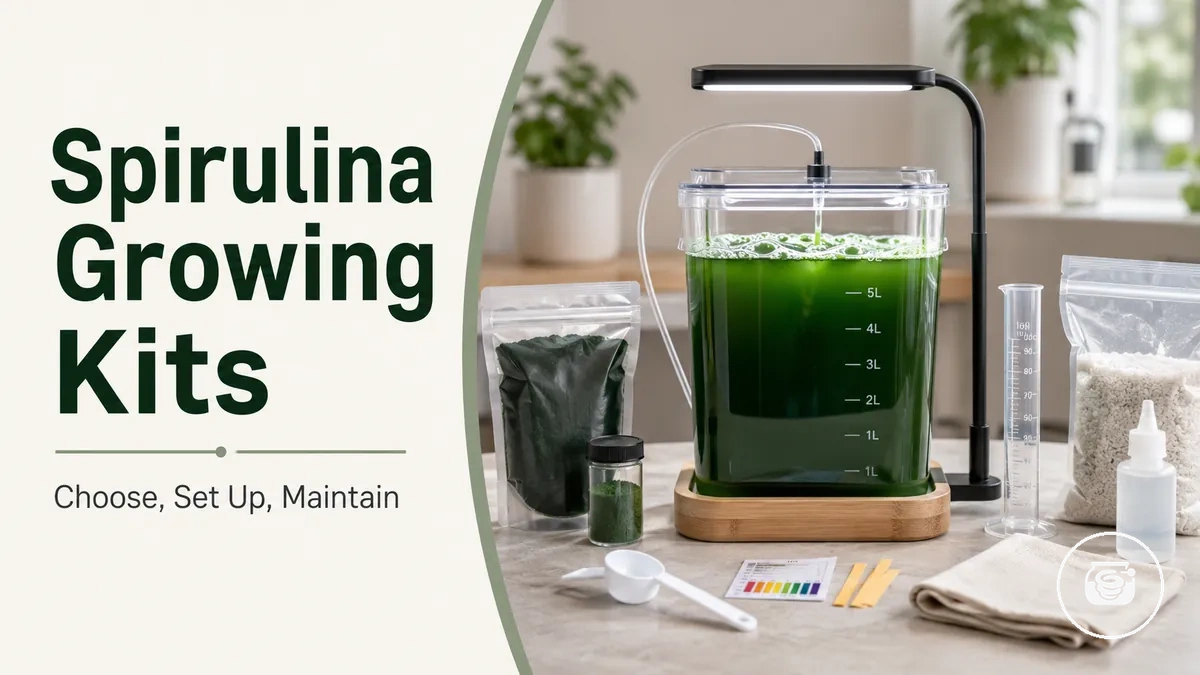
Home Spirulina Growing Kits: Category Overview and Buying Fit
Home spirulina growing kits are indoor culture setups evaluated by their kit components, required growing conditions, setup effort, maintenance burden, and contamination risk. A kit has a suitable buying fit only when its contents and care requirements match the user's available space, light control, water-management routine, and experience with maintaining a live culture; indoor fit is therefore the first decision frame.
Home spirulina growing kits are indoor culture setups evaluated by their kit components, required growing conditions, setup effort, maintenance burden, and contamination risk.
A reader comparing a home spirulina growing kit should check whether the package supplies a starter culture, grow medium, culture container, monitoring tools, and usable instructions or leaves any of those functions to the buyer. The retained section evidence does not establish a universal inclusion standard, so a kit labelled complete cannot be assumed to contain every item required for a particular culture setup. Limited space, unsuitable light placement, irregular maintenance, or unclear handling guidance can increase setup burden and contamination risk, making the kit a conditional rather than automatic fit for home use.
This overview evaluates indoor spirulina kits as decision-support options; it does not replace the kit-specific instructions or a full step-by-step cultivation method.
This overview evaluates indoor spirulina kits as decision-support options; it does not replace the kit-specific instructions or a full step-by-step cultivation method. The practical solution is to compare stated inclusions with the conditions and recurring care the user can provide before treating product access as the final decision, beginning with a clear review of what the kit includes and what each component does.
Where a supplier does not specify an inclusion, condition, or care requirement, that point remains unverified and should be checked in the product documentation before purchase.
Buying-fit summary: A home spirulina growing kit is appropriate when the supplied components cover the user's missing equipment and the required light, water quality, monitoring, cleanliness, and maintenance can be provided consistently. Where a supplier does not specify an inclusion, condition, or care requirement, that point remains unverified and should be checked in the product documentation before purchase.
Table of Contents
What a Home Spirulina Growing Kit Includes
A home spirulina growing kit is a bundle of growing supplies that typically includes the essential materials needed to begin cultivating spirulina at home, although the exact contents differ between manufacturers and suppliers. Common kit contents include a starter culture, grow medium, culture container or vessel, monitoring tools, instructions, and, in some cases, harvesting support. Supplier documentation shows that no industry standard defines a mandatory set of components, so every kit should be evaluated by its published contents rather than its marketing name.
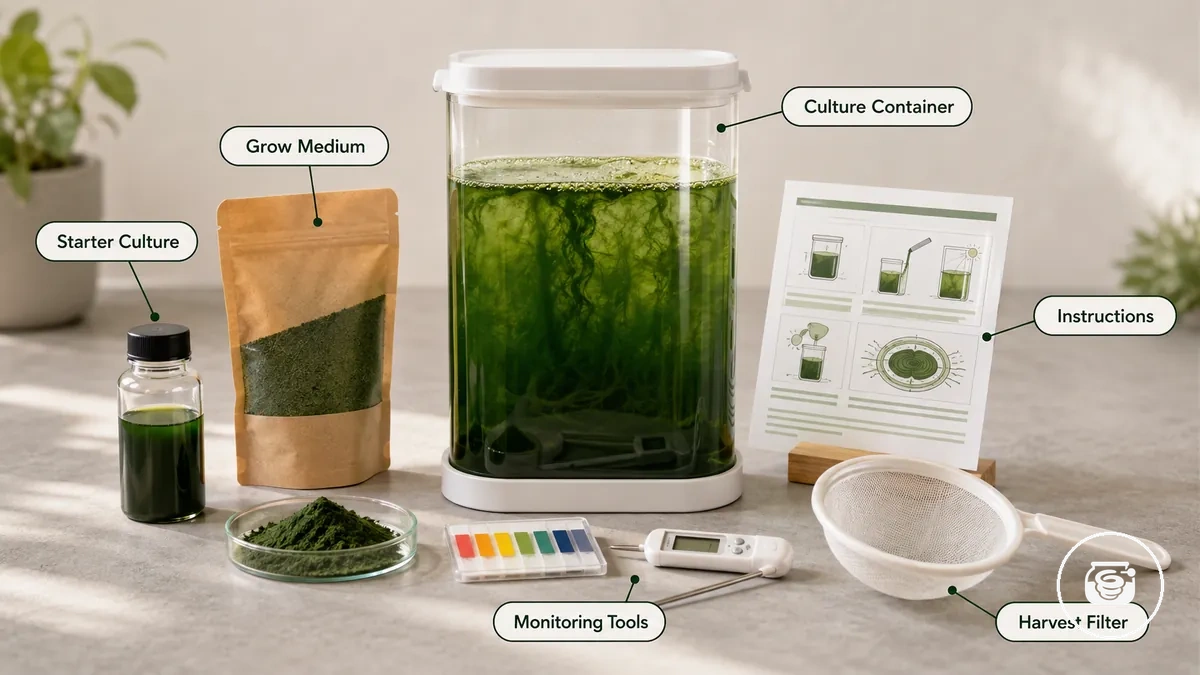
Understanding what is included reduces setup effort because it identifies which essential items still need to be purchased separately before cultivation can begin. For example, Algae Research Supply states that its Spirulina Media Kit supplies nutrient salts but requires users to provide a live starter culture, chlorine-free water, an air supply, and a suitable growing vessel, while AlgenAir specifies that one EDUaerium configuration is designed around a user-provided 2-litre recycled bottle. Readers comparing what spirulina growing kits include can therefore distinguish a complete starter bundle from culture-only or medium-only products before purchasing.
- Starter culture: A live spirulina culture used to inoculate the growing medium. If a supplier does not list a starter culture, it must normally be obtained separately.
- Grow medium: Nutrient salts or prepared medium formulated to support spirulina growth after mixing with the specified water volume according to the supplier's instructions.
- Culture container: A culture vessel supplied with the kit or specified for user purchase. Some systems require a user-provided 2-litre bottle, while others include a dedicated container.
- Monitoring tools: Depending on the kit, these may include pH strips, a thermometer, an air pump, tubing, or lighting accessories to help maintain suitable growing conditions.
- Instructions: Printed or digital guidance explaining assembly, medium preparation, maintenance routines, and harvesting procedures.
- Harvesting support: Some kits include a harvest filter, filter cloth, measuring cup, or cleaning tools, while others require these items to be purchased separately.
A live starter culture by itself, or a package containing only grow medium, does not constitute a complete home spirulina growing kit because essential cultivation components remain missing. The correct buying comparison is therefore based on the supplier's stated kit contents rather than assuming every product labelled as a kit provides the same growing supplies.
Kit Components, Supplies, and Growing Equipment
Kit components determine whether a home spirulina growing kit is complete, practical, and maintainable because they directly affect the work required for culture preparation, monitoring, and harvesting. According to the supplier documentation reviewed for this section, complete component sets differ between manufacturers, while some kits provide only selected growing supplies such as nutrient salts or a starter culture instead of a full equipment set. The main component groups include the culture container, grow medium, nutrient salts, pH testing equipment, a thermometer, light, and a harvest filter.
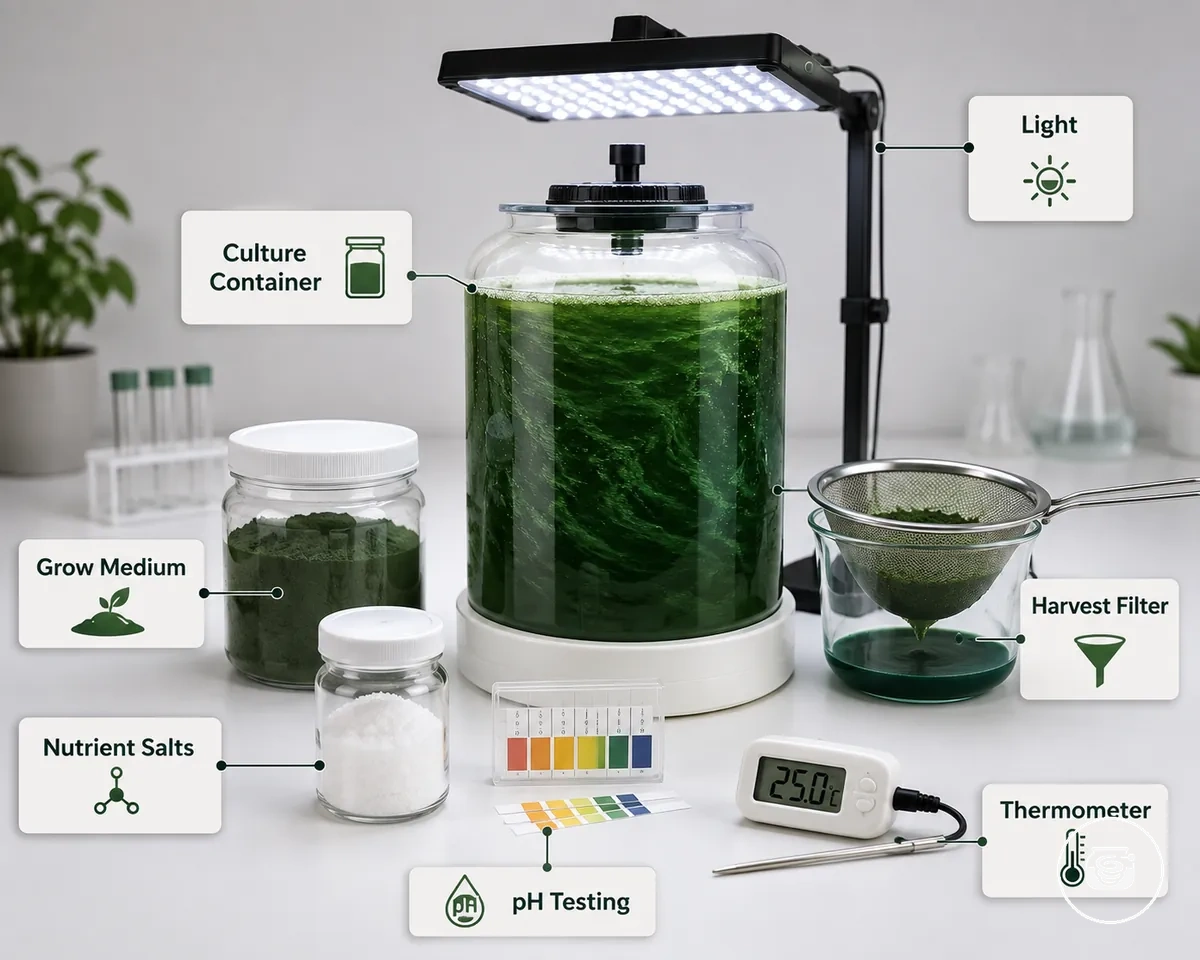
Missing growing equipment shifts responsibility from the kit to the buyer rather than preventing cultivation outright. For example, supplier information reviewed for this section shows that some kits require the user to provide a 2-litre culture container or bottle, while media-only kits supply nutrient salts but require a separate live starter culture, aeration equipment, and harvesting tools. The table below summarises the main kit components, their function, usable condition, and decision impact when comparing home spirulina growing kits.
| Kit component | Function | Usable condition | Decision impact |
|---|---|---|---|
| Culture container | Holds the spirulina culture throughout cultivation. | Must provide sufficient volume for the supplied culture and fit the available indoor space; some systems specify a user-provided 2-litre bottle. | Determines whether additional growing equipment must be purchased before cultivation can begin. |
| Grow medium | Supplies dissolved nutrients required for spirulina growth. | Prepared according to the supplier's instructions before adding the live culture. | A kit without grow medium cannot start cultivation until compatible nutrient media are obtained. |
| Nutrient salts | Provide the mineral composition used to prepare the grow medium. | Required only when the supplier provides a dry-media formulation instead of a ready-to-use solution. | Changes preparation effort because the buyer must mix the medium before inoculation. |
| pH testing | Monitors culture alkalinity during growth. | Used during routine maintenance to check whether growing conditions remain within the supplier's recommended range. | Supports growth stability by allowing corrective action when pH moves outside the intended cultivation conditions. |
| Thermometer | Measures culture temperature. | Used whenever indoor temperature is not consistently controlled. | Helps identify environmental changes that may slow growth or stress the culture. |
| Light | Provides illumination for photosynthesis. | Included only with some kit configurations; otherwise supplied separately by the user. | Missing lighting increases the initial setup burden before cultivation can begin. |
| Harvest filter | Separates spirulina biomass from the culture liquid during harvesting. | Required when harvesting unless an alternative compatible filter is available. | Reduces harvesting effort and helps maintain cleaner handling during collection. |
Live Culture, Grow Medium, and Nutrient Salts
Live culture, grow medium, and nutrient salts are the three material inputs that determine whether a home spirulina growing kit can be started and sustained. A live culture, also called a starter culture, provides viable spirulina cells; the grow medium provides the alkaline liquid environment; and nutrient salts supply the dissolved minerals used to prepare or replenish that medium. According to Oklahoma State University Extension, nutrient media are prepared by dissolving inorganic salts in water, supporting medium concentration, pH support, culture viability, and culture stability rather than replacing the live culture itself.
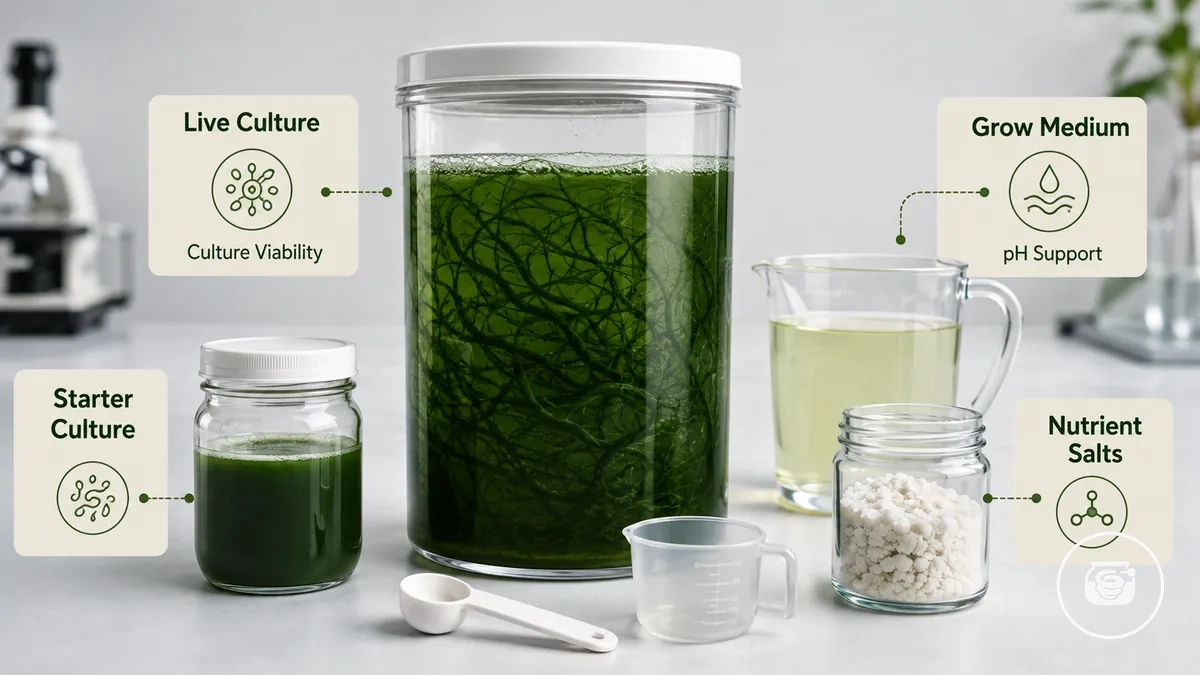
Incomplete or mismatched material inputs increase the setup burden because each performs a separate function inside the kit. For example, a medium-only kit supplies nutrient salts but still requires a compatible live starter culture before cultivation can begin, while a starter culture without a correctly prepared grow medium cannot maintain stable growth conditions. The reviewed supplier documentation does not specify a universal nutrient concentration or pH target across all home spirulina growing kits, so those values should be verified from the manufacturer's instructions for the specific kit being used.
Container, Aeration, Lighting, and Testing Tools
Container, aeration, lighting, and testing tools are the physical equipment that control indoor usability and routine monitoring in a home spirulina growing kit. The container determines available water volume, aeration maintains culture movement, lighting provides light exposure for photosynthesis, and testing tools such as a thermometer and pH testing supplies help monitor environmental control factors. The reviewed supplier documentation does not define universal values for container capacity, water volume, light intensity, or monitoring frequency across all home spirulina growing kits, so these specifications should be confirmed from the manufacturer's documentation for the selected kit.
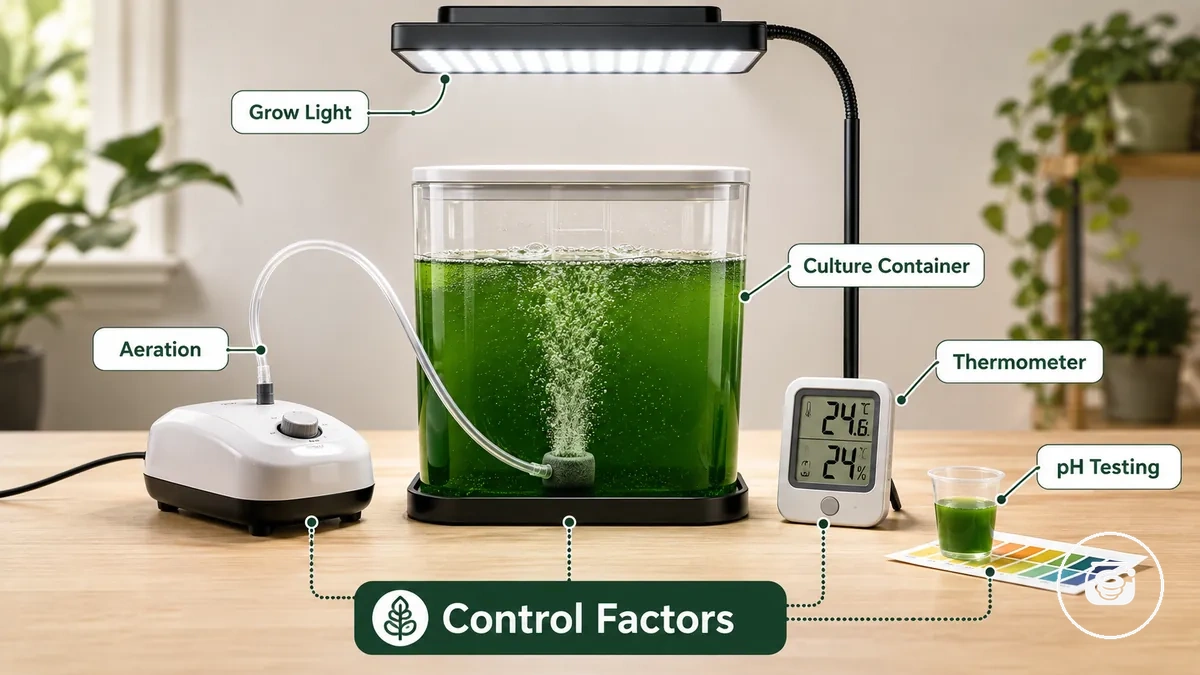
Equipment is sufficient only when each control factor required by the kit can be monitored or maintained with the supplied components. For example, a kit that includes a culture vessel, air pump, grow light, thermometer, and pH testing supplies reduces additional equipment requirements, whereas a media-only or culture-only kit requires compatible monitoring equipment before routine indoor cultivation can begin. The reviewed evidence does not identify a universal equipment specification, making suitability conditional on the individual kit design.
- Container: Verify that the vessel supports the intended water volume and fits the available indoor growing space.
- Aeration: Confirm that continuous air movement keeps the culture suspended and supports stable cultivation conditions.
- Lighting: Check that the light source provides consistent exposure appropriate for the manufacturer's cultivation method.
- Testing tools: Ensure that a thermometer and pH testing supplies are available to monitor temperature and alkalinity during routine maintenance.
- Control factor: Confirm that the supplied equipment allows observation of water volume, culture movement, light exposure, temperature, and pH before relying on the kit for regular indoor use.
Harvest Filters and Small Handling Supplies
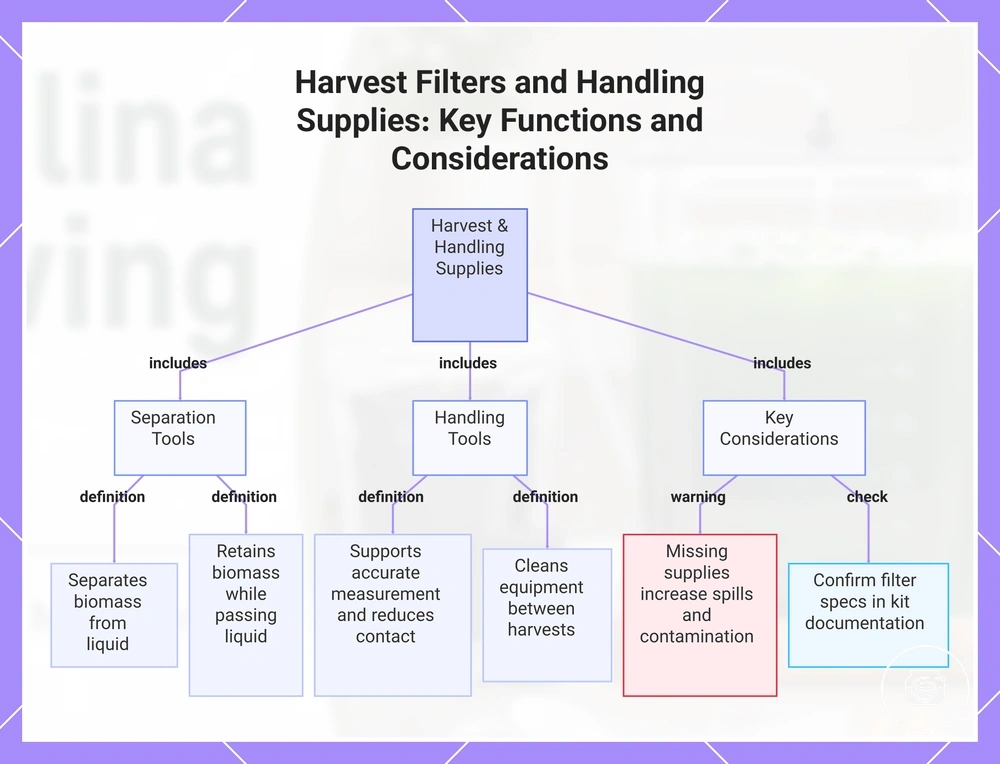
Harvest filters and small handling supplies are component-level tools that support separation, cleanliness, and measurement during spirulina collection rather than performing cultivation themselves. A harvest filter or filter cloth separates spirulina biomass from the culture liquid, while a measuring cup, clean spoon, and cleaning tools support accurate handling and cleaner routine maintenance. The reviewed supplier evidence does not define a universal filter material, mesh size, or standard tool specification for all home spirulina growing kits, so those attributes should be confirmed in the documentation for the selected kit.
Their purpose is therefore to support cleaner separation and consistent handling while remaining subordinate to the kit's main growing equipment rather than replacing it.
Missing handling supplies can increase spills, inaccurate measurement, or unnecessary contact with the culture during collection, which may increase handling-related contamination risk without determining the quality of the culture itself. Their purpose is therefore to support cleaner separation and consistent handling while remaining subordinate to the kit's main growing equipment rather than replacing it.
- Harvest filter: Supports separation of spirulina biomass from the culture liquid during collection.
- Filter cloth: Helps retain biomass while allowing the liquid to pass through for cleaner separation.
- Measuring cup: Supports consistent measurement of liquids used during routine handling and preparation.
- Clean spoon: Reduces unnecessary contact when transferring or sampling small amounts of culture.
- Cleaning tools: Help clean the container and handling equipment between harvesting tasks, supporting cleanliness without implying sterility or food-safety guarantees.
This chart outlines the functions of harvest filters and handling supplies, along with key risks and specification checks.
Indoor Growing Conditions and Home Suitability
Home suitability for a spirulina growing kit depends on whether the indoor growing conditions can be controlled consistently rather than on the kit alone. A suitable home environment must provide usable light, a temperature range supported by the selected kit, compatible water quality, alkalinity or pH monitoring, adequate space, cleanliness, and daily attention. The reviewed evidence does not establish one universal light intensity, temperature range, water specification, or pH target for all home spirulina growing kits, so each value remains conditional on the manufacturer's documented requirements.
A beginner setup is therefore more practical when the culture remains easy to inspect, measure, and maintain each day.
A small apartment can provide a suitable growing environment when the culture container, lighting, and monitoring tools fit the available space without obstructing routine access. A cooler room is a conditional fit only when the kit includes, or the user can provide, the temperature control specified for that system; unsuitable light placement or irregular daily attention increases the chance that changing conditions will go unnoticed. A beginner setup is therefore more practical when the culture remains easy to inspect, measure, and maintain each day.
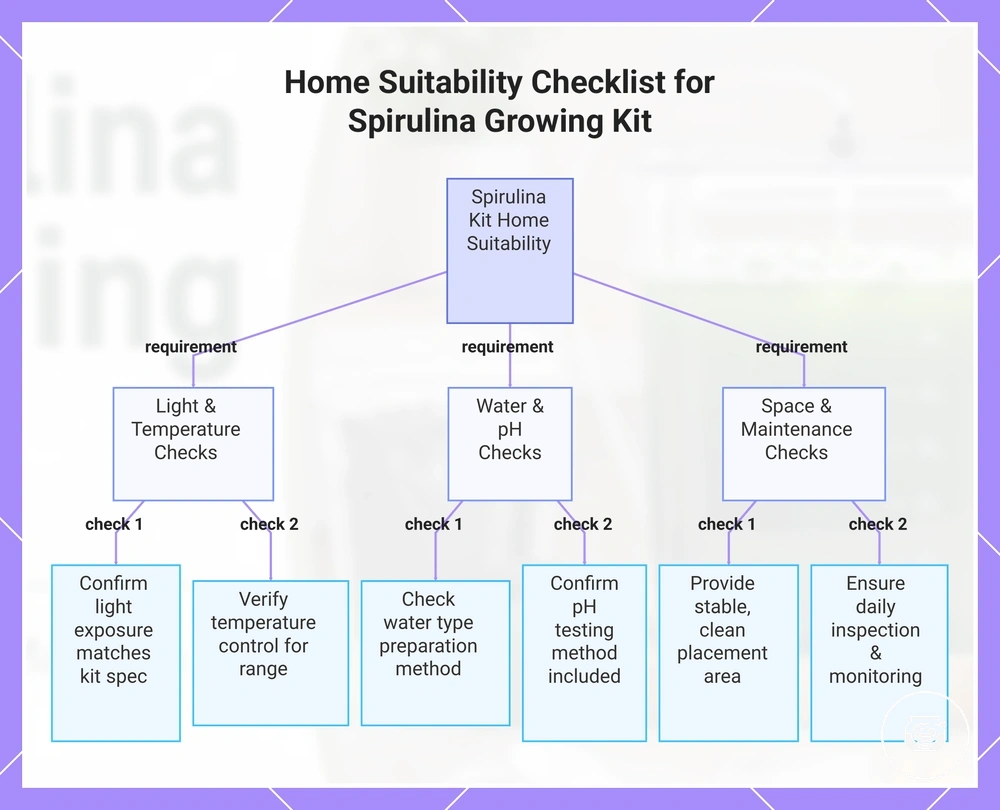
Use the checklist below to assess conditional home fit.
Condition checks help identify environmental gaps before a kit is selected, reducing the likelihood that missing space, unsuitable water, or unavailable monitoring equipment will interrupt cultivation. The detailed growing conditions for spirulina kits should be compared with the intended room and available equipment. Use the checklist below to assess conditional home fit.
- Light: Confirm that the intended location can provide the natural or artificial light exposure specified for the selected kit.
- Temperature: Verify that the room, or available temperature-control equipment, can maintain the manufacturer's stated operating range.
- Water quality: Check that the required water type and preparation method are available before the grow medium is mixed.
- Alkalinity and pH monitoring: Confirm that the required pH testing method is included or can be obtained for routine condition checks.
- Space: Provide a stable area that accommodates the culture container, lighting, aeration equipment, and access for maintenance.
- Cleanliness: Use a location where the container, tools, and surrounding work surface can be kept clean during routine handling.
- Daily attention: Ensure that someone can inspect the culture and complete the monitoring tasks specified by the kit provider.
This chart shows the key condition areas to verify before selecting a spirulina growing kit for indoor home use.
Kit Types and Practical Selection Criteria
The right kit type depends on completeness, user experience, and which growing supplies the buyer already owns. Practical selection criteria should assess starter culture inclusion, medium support, instructions, monitoring tools, missing supplies, and setup effort rather than relying on labels such as complete kit or starter kit. This creates a clear selection frame based on documented inclusions and the buyer’s existing equipment.
This creates a clear selection frame based on documented inclusions and the buyer’s existing equipment.
A complete kit places more of the included burden on the supplied bundle, while a starter kit usually focuses on the live culture and essential medium inputs. A media kit supplies grow medium or nutrient salts without necessarily including a starter culture, container, lighting, aeration, or testing tools. A DIY-style setup provides greater component flexibility but transfers more matching, sourcing, and assembly work to the user. The comparison below shows how these kit types differ by included burden, missing supplies, and best-fit use case.
| Kit type | Included burden | Missing supplies | Best-fit use case |
|---|---|---|---|
| Complete kit | Provides the broadest documented supply bundle, which can include starter culture, medium support, instructions, monitoring tools, and selected growing equipment. | Any component not explicitly listed, such as lighting, aeration, pH testing, a thermometer, or a harvest filter, remains the buyer’s responsibility. | Suitable for beginner confidence when the listed contents cover the buyer’s main equipment gaps and reduce initial setup effort. |
| Starter kit | Centres on a live starter culture with grow medium, nutrient salts, instructions, or a limited combination of these inputs. | The culture container, aeration, lighting, monitoring tools, and handling supplies remain separate unless the supplier lists them. | Suitable for a buyer who needs viable starting material and medium support but can provide compatible physical equipment. |
| Media kit | Provides grow medium, nutrient salts, or both for preparing or replenishing the culture environment. | A live starter culture, water, vessel, aeration, lighting, testing tools, and harvesting supplies are separate unless explicitly included. | Suitable for an existing grower who already has a viable culture and equipment but needs replacement medium inputs. |
| DIY-style setup | Provides selected parts, instructions, or a configurable equipment base while leaving more component choice to the user. | Missing supplies can include the vessel, pump, tubing, light, testing tools, grow medium, or starter culture according to the configuration. | Suitable for an experienced or technically confident buyer who values flexibility and accepts greater setup effort and component-matching responsibility. |
A beginner who lacks a starter culture, grow medium, container, and monitoring tools gains more decision certainty from a clearly itemised supply bundle. An experienced grower may prefer a media kit or DIY-style setup because existing equipment reduces the effect of missing supplies, although greater flexibility does not remove ongoing maintenance requirements. Use these selection criteria to choose a spirulina growing kit by matching documented inclusions with existing supplies, experience, beginner confidence, and acceptable setup effort.
Complete Kits, Starter Kits, Media Kits, and DIY-Style Setups
A complete kit, starter kit, media kit, and DIY-style setup should be judged by documented inclusions rather than the kit label because supplier naming and supply levels are not standardised. The comparison should identify what each kit format provides, which missing supplies remain the buyer’s responsibility, the resulting buyer burden, and the condition that defines a suitable use case. The table below applies those criteria without treating any label as a completeness guarantee.
| Kit type | Typical inclusions | Missing supplies | Buyer burden | Suitable use case |
|---|---|---|---|---|
| Complete kit | A documented bundle that can combine live starter culture, grow medium or nutrient salts, instructions, monitoring tools, and selected physical equipment. | Any unlisted container, aeration equipment, lighting, pH testing supplies, thermometer, or harvest filter remains separate. | The supplier covers the listed starting materials and equipment; the buyer remains responsible for every omitted component and all ongoing monitoring. | Suitable for a beginner when the published inclusions cover the buyer’s identified equipment gaps and provide usable operating instructions. |
| Starter kit | A supply bundle centred on live starter culture with grow medium, nutrient salts, instructions, or a stated combination of those inputs. | The vessel, aeration, grow light, pH testing supplies, thermometer, and handling tools remain buyer-sourced unless explicitly included. | The supplier provides the biological starting material, while the buyer matches and assembles the required physical equipment. | Suitable when the buyer needs a viable culture and medium support but already owns, or can source, compatible equipment. |
| Media kit | Grow medium, nutrient salts, or both for preparing or replenishing the culture environment. | Live starter culture, water, container, aeration, lighting, monitoring tools, and harvesting supplies remain separate unless listed. | The buyer supplies the culture and complete operating setup; the kit covers only the stated medium inputs. | Suitable for an existing grower who already has a viable culture and compatible cultivation equipment. |
| DIY-style setup | Selected parts, instructions, or a configurable equipment base that leaves component choice to the user. | Missing parts can include the starter culture, medium, vessel, pump, tubing, light, testing tools, and handling supplies according to the configuration. | The buyer verifies compatibility, sources omitted parts, and completes assembly and ongoing maintenance. | Suitable for an experienced or technically confident user who values component flexibility and accepts full responsibility for matching missing supplies. |
Culture Quality, Container Size, Instructions, and Monitoring Support
Buying confidence depends on the combined adequacy of culture quality, container size, instructions, monitoring support, pH guidance, light guidance, and harvesting readiness rather than on one feature alone. Each criterion must match the buyer’s available space, experience, existing supplies, and care routine; the reviewed evidence provides no universal culture-quality rating, container capacity, or monitoring package for all home spirulina growing kits. Use the mini-checklist below to verify each practical decision signal.
Use the mini-checklist below to verify each practical decision signal.
A beginner benefits from explicit operating guidance and included support tools, whereas an equipped buyer can accept omitted tools that are already available and compatible. A criterion is adequate only when its documented value or condition matches the buyer’s setup and routine.
- Culture quality: Check whether the supplier states the culture condition, handling requirements, and intended starting use; without this information, viability and starting condition remain unverified.
- Container size: Confirm the stated container capacity or required vessel volume against the available space and maintenance access; if no capacity is documented, verify the required volume before selection.
- Instructions: Check that the instructions cover medium preparation, routine maintenance, condition monitoring, and harvesting readiness in a sequence suitable for the buyer’s experience level.
- pH and light guidance: Verify that the kit provides system-specific pH guidance and light guidance with stated operating conditions; generic advice without defined values leaves the operating boundary unverified.
- Monitoring support: Confirm whether pH testing supplies, a thermometer, and any required monitoring tools are included or identified as separate requirements; omitted tools transfer measurement responsibility to the buyer.
- Harvesting readiness: Check whether a harvest filter, filter cloth, measuring cup, clean spoon, or other handling supplies are included or must be sourced separately; this criterion determines collection readiness without deciding overall kit suitability by itself.
Setup Requirements Before the First Culture Cycle
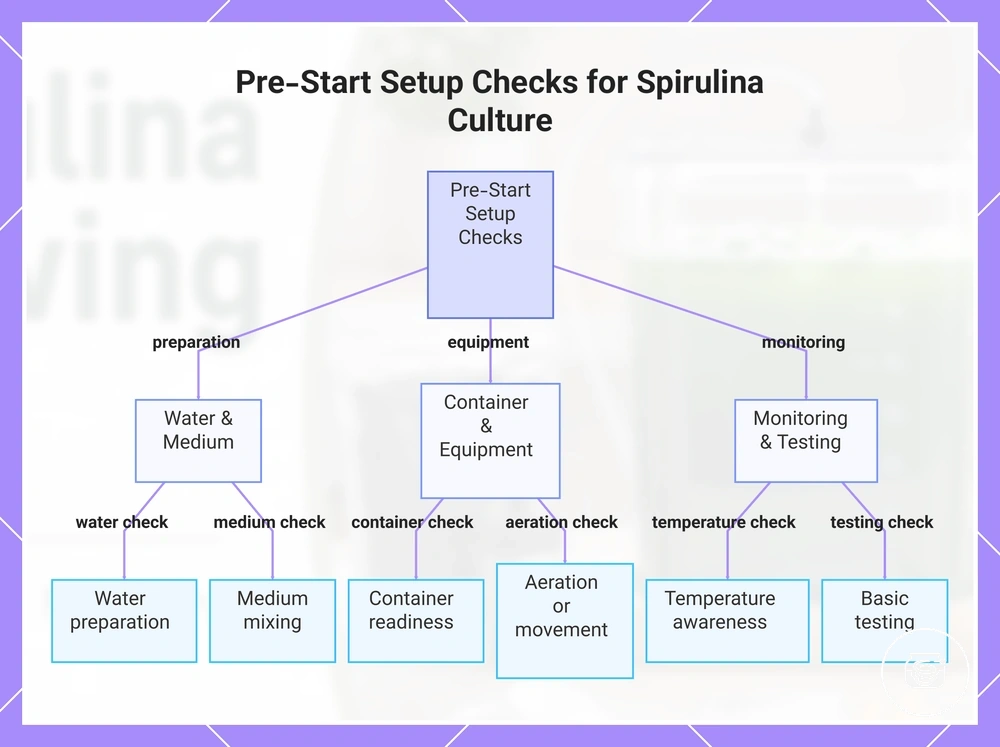
Setup requirements before the first culture cycle are the pre-start conditions that must be prepared before a spirulina starter culture is added or activated. Setup readiness covers water preparation, medium mixing, container readiness, light placement, aeration or movement, temperature awareness, and basic testing. The reviewed evidence does not establish one universal water volume, pH value, temperature range, or lighting specification for every kit, so each readiness check remains conditional on the selected starter culture and medium format.
Treat the steps below as readiness checks rather than a fixed recipe.
The kit instructions should control the exact preparation order because powdered nutrients, prepared medium, and live starter cultures can require different handling sequences. Completing a generic sequence without checking the specified water type, mixing method, container volume, or monitoring requirements can leave the culture environment incomplete. Treat the steps below as readiness checks rather than a fixed recipe.
Once the pre-start checks are complete, follow the detailed instructions to set up a spirulina growing kit for the selected system.
A beginner should confirm that every required item, measurement tool, and operating condition is available before opening or transferring the starter culture. Once the pre-start checks are complete, follow the detailed instructions to set up a spirulina growing kit for the selected system.
- Water preparation: Verify the required water type, treatment method, and volume stated in the kit instructions before adding nutrient salts or prepared medium.
- Medium mixing: Confirm whether the supplied medium is ready to use, concentrated, or dry, then prepare it according to the specified sequence before culture start.
- Container readiness: Check that the container is clean, correctly assembled, large enough for the documented culture volume, and positioned for routine access.
- Light placement: Position the natural or artificial light source according to the kit-specific exposure and distance guidance without assuming one setting applies to every culture system.
- Aeration or movement: Confirm that the required pump, tubing, manual movement method, or other circulation equipment is installed and functioning before the first culture cycle.
- Temperature awareness: Place a thermometer where it can measure the culture environment and verify that the room or available temperature control can maintain the manufacturer’s stated range.
- Basic testing: Make the specified pH testing supplies and other monitoring tools available before activation so the initial conditions can be checked against the kit instructions.
This chart shows the key readiness checks that must be completed before starting a spirulina culture, covering water and medium preparation, container and equipment setup, and monitoring conditions.
Ongoing Care, Harvesting, and Common Mistake Checks
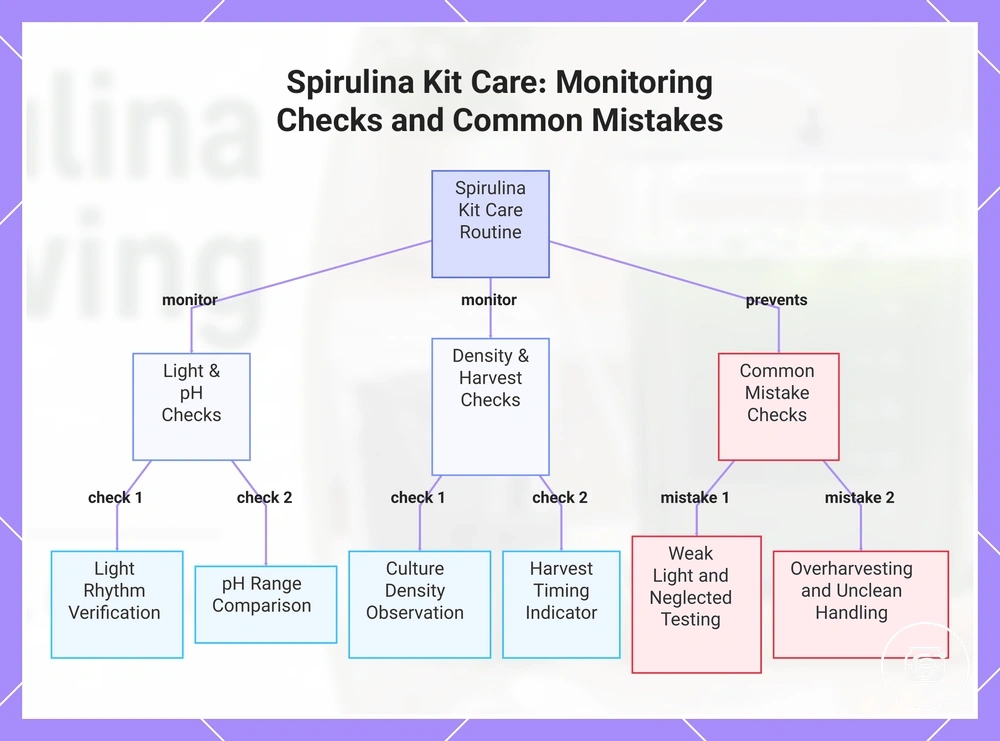
Ongoing care for a home spirulina growing kit is a recurring monitoring routine rather than a one-time setup task. Maintenance must cover the kit-specific light rhythm, pH checks or alkalinity, culture density, nutrient replenishment, harvest timing, filter use, and early warning signs. The reviewed evidence does not establish one universal maintenance schedule, pH range, nutrient dose, density threshold, or harvest interval for every starter culture and medium format, so the realistic care burden is regular observation followed by actions defined in the selected kit’s instructions.
Ongoing care for a home spirulina growing kit is a recurring monitoring routine rather than a one-time setup task.
Light exposure, alkalinity, nutrient availability, and culture density must be assessed together because a change in one condition can alter the interpretation of the others. Weak light can coincide with reduced culture density, while neglected pH checks can leave an alkalinity change undetected before nutrient replenishment or harvesting. Each maintenance decision should therefore use the kit-specific operating values and the observed culture condition rather than an assumed universal setting.
Harvest timing should follow the supplier’s stated readiness indicator instead of a fixed number of days.
Harvest timing should follow the supplier’s stated readiness indicator instead of a fixed number of days. Filter use supports biomass separation, but overharvesting, using an unsuitable filter, or returning unclean tools to the container can increase maintenance burden and reduce the amount of culture left for continued growth. Checking culture density, handling cleanliness, and the required filter before collection helps prevent these common mistakes.
- Light rhythm: Verify that the culture receives the light and dark pattern stated for the selected kit; weak, interrupted, or excessive exposure should trigger a placement and equipment check.
- pH checks and alkalinity: Compare each reading with the kit-specific operating range; if no acceptable range is documented, the pH boundary remains unverified and should be confirmed before corrective action.
- Culture density: Use the observation or measurement method supplied with the kit; unexpected thinning, settling, colour change, or uneven movement is an early warning sign that the growing conditions require review.
- Nutrient replenishment: Add only the stated medium or nutrient quantity under the supplier’s specified condition; omitted replenishment can reduce growth support, while unscheduled additions can change medium concentration.
- Harvest timing: Harvest only when the culture meets the documented density or maturity indicator because no universal day count applies across different cultures, vessels, light conditions, and medium formats.
- Filter use: Confirm that the harvest filter or filter cloth matches the kit’s handling instructions and keep the filter and transfer tools clean before and after collection.
- Common mistakes: Check for weak light, neglected testing, interrupted aeration, incorrect nutrient preparation, overharvesting, and unclean handling before changing the culture conditions.
This chart shows the key monitoring checks and common mistakes to avoid when caring for a home spirulina growing kit.
Safety, Contamination Risk, and Buying Confidence
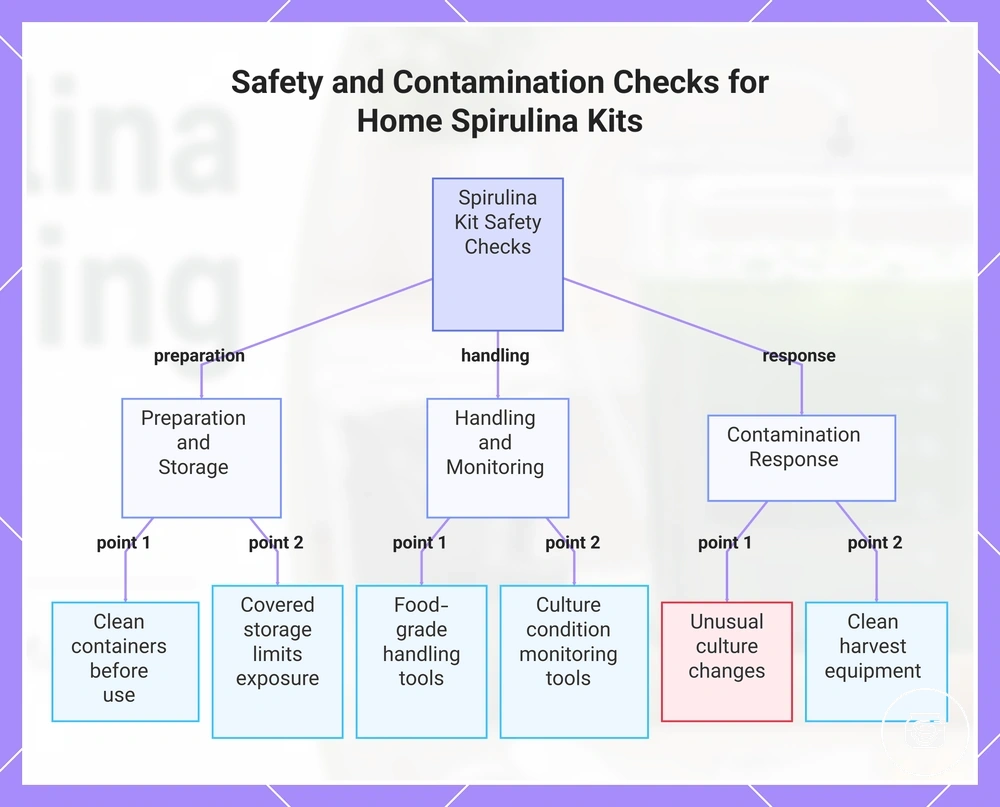
Safety and buying confidence for a home spirulina growing kit depend on cleanliness practices, contamination awareness, and documented handling guidance rather than product claims. A suitable kit should support clean handling, covered storage, monitoring, and hygienic harvesting while making clear that no home culture has a contamination-free guarantee. These practical checks provide the appropriate safety frame for kit evaluation.
These practical checks provide the appropriate safety frame for kit evaluation.
Clean containers should be prepared before culture contact, and covered storage should reduce exposure to dust, insects, splashes, and unrelated food-contact surfaces without blocking required aeration. Food-grade handling requires containers, utensils, and filters intended for food contact when harvested biomass may be consumed, while monitoring tools should support the pH, temperature, and condition checks stated by the kit provider. The US Centers for Disease Control and Prevention identifies clean hands and food-contact surfaces as core food-safety controls, and the US Food and Drug Administration reports that microcystin-producing cyanobacteria can contaminate blue-green algae products. Container suitability, cleanliness, monitoring support, and harvest hygiene are therefore practical safety checks rather than optional reassurance.
Use the detailed boundary guidance on spirulina kit safety and contamination when the culture no longer matches its expected condition.
Normal culture variation can include gradual changes in green intensity or density as light and nutrient conditions change, but an unusual odor, unusual color, unexpected texture, foreign growth, or an unexplained departure from the documented culture condition is a contamination concern. The US Centers for Disease Control and Prevention advises discarding food with an unusual odor, color, or texture and not tasting questionable food to judge its safety. Use the detailed boundary guidance on spirulina kit safety and contamination when the culture no longer matches its expected condition.
- Clean containers: Confirm that the vessel and reusable tools can be cleaned before culture contact and between harvests.
- Covered storage: Check that the setup limits dust, insects, splashes, and unrelated food-contact exposure while preserving any required airflow.
- Food-grade handling: Verify that containers, spoons, filters, and transfer tools are suitable for food contact when harvested biomass may be consumed.
- Monitoring tools: Confirm that the kit includes, or clearly requires, tools for pH checks, temperature checks, and visible condition monitoring.
- Warning signs: Treat unusual odor, unusual color, unexpected texture, foreign growth, or unexplained condition changes as reasons to stop harvesting.
- Harvest hygiene: Use clean filters and handling tools, and do not return used or unclean equipment to the culture container.
A buyer has stronger buying confidence when a kit documents clean handling, covered storage, monitoring tools, warning signs, and harvest hygiene instead of relying on general reassurance. When a questionable culture has an unusual odor, unusual color, foreign growth, unexplained texture, or an unresolved departure from its expected condition, do not consume it or taste it as a safety test. Product options should be considered only after these safety and contamination risk checks have been satisfied.
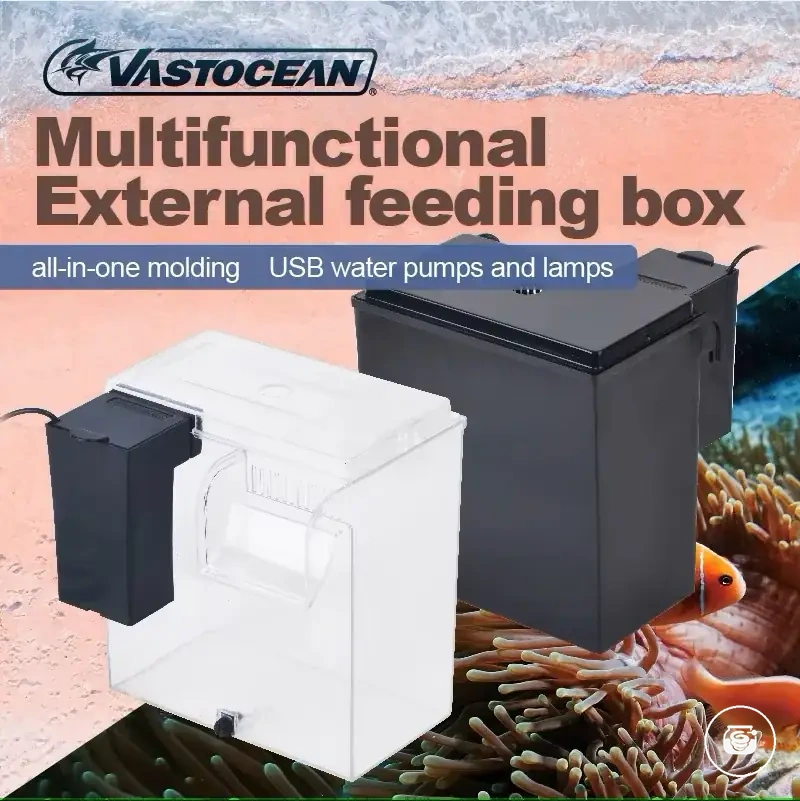
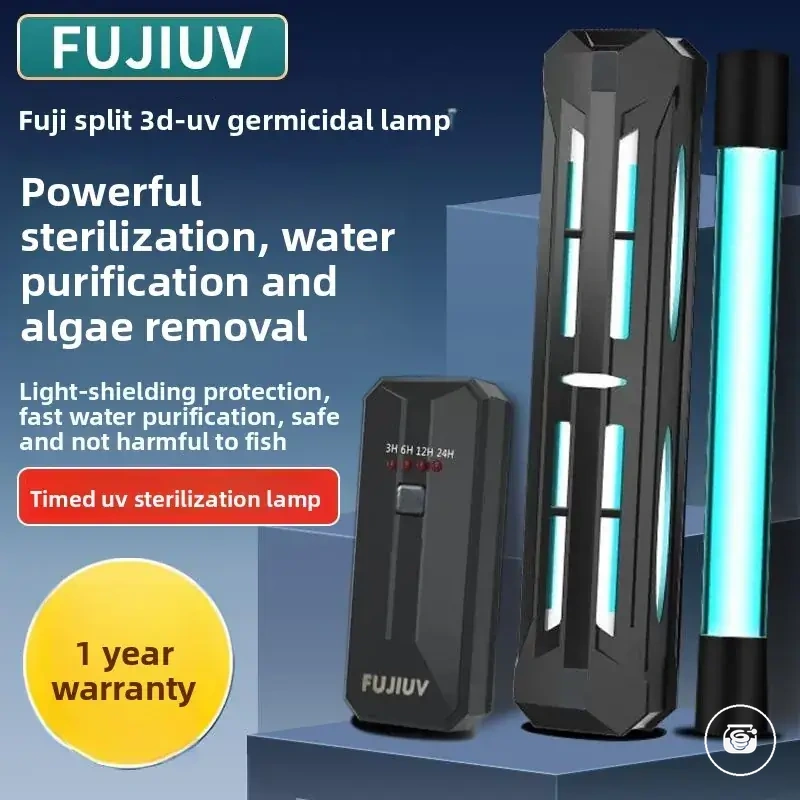
The products below are useful examples for comparing available options.
The products below are useful examples for comparing available options. Before buying, check that the compatibility criteria, key features, and product details match your needs.
This chart shows the practical safety checks for evaluating a home spirulina growing kit, covering preparation, handling, monitoring, and contamination response.